
When I walk past the mural painted on the side of my local
FoodFare, I often experience a very specific and compelling mental image: the
silky underside of a Ritter Sport dark-chocolate-with-whole-hazelnuts bar.
I’ve spent a lot of time admiring this particular surface. It’s about three inches square, smooth except for the hemispherical bulges where the hazelnuts show through. The nuts are coated in layer of chocolate so thin it’s sometimes translucent. The top of the bar is less interesting: a standard grid of break-apart squares with a logo on each one. The much more charismatic bottom side is what speaks to me, and the manufacturers evidently understand this, seeing as they print it on the label.
This store offers thousands of items, but I associate it
most strongly with this one chocolate bar, in part because it’s my standard “treat
myself” item, and also because there’s a needlessly large display of them right
beside what is often the only open checkout. This makes it almost impossible to
buy anything without having to decide whether this is one of the times I will purchase
and eat this 560-calorie ingot of fat and sugar.
Read More
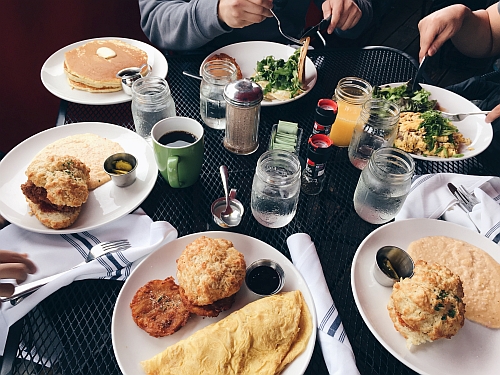
As a kid, whenever I stayed for supper at certain friends’ houses, I wasn’t sure what to do when they prayed.
My family didn’t say grace, but I knew a bit about the
ritual from reading the Family Circus. I knew you were supposed to look down
and say amen at the end, so I did.
I was familiar with the idea of God—how he made the world
and watched over it, and all that. But I found it unlikely he would intervene in
the pedestrian matters of cooking and groceries. Still, it made as much sense
as Santa Claus and the impossible logistical feats attributed to him, so I went
through the motions in the way kids do.
By the time I became an edgy teenager, I’d learned from USENET newsgroups that religion had caused all the ills of society. So I went from playing along with the grace ritual to silently resisting. I still looked down at my hands, but I didn’t interlace my fingers, and refused to say amen. It’s embarrassing to remember that phase.
Read More

When you do something the same way long enough, it stops occurring to you that it can be done differently.
I’ve begun making up for thirty years of mediocre interactions with clerks and cashiers. I was a very shy kid, so I often mumbled my way through retail exchanges. I wasn’t impolite, but I said nothing more than necessary, and didn’t always attempt eye contact. It didn’t feel great, but it worked well enough, and the cashiers didn’t seem to mind.
I’m much less mumbly as an adult than I was at eight, but I’ve apparently still been coasting on the same minimalist approach, navigating retail transactions politely, but not warmly. Hi. I don’t need a bag, thanks. Great, thank you. All in a low voice, sometimes verging on a whisper.
A few weeks ago, after apparently having acted through pure habit for thirty years, I suddenly became conscious of just how needlessly unpersonable I’d been that whole time. As I lifted my grocery bag and spoke my usual “Thank you,” my voice was so low that no sound actually came out. Rather than make a second attempt at speech, I nodded to signal thanks but the cashier had already turned to the next person.
Read More
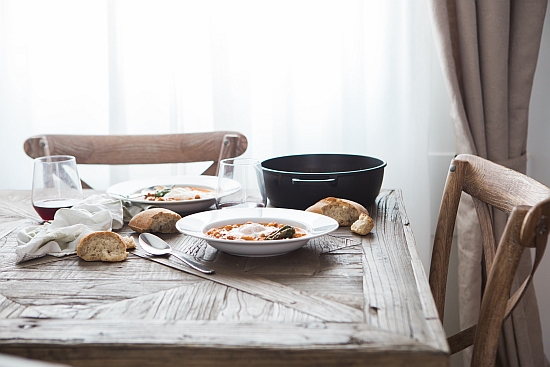
One night a few months ago, two friends and I were feeling the onset of winter doldrums, and made a plan to address it with soup.
We had come together for some activity I no longer recall (movie?
board game?) but everyone was feeling pretty low. Each of us was clearly addled
by one or more ongoing life-woe—angst over relationships, money, health, aimlessness.
Nobody wanted to ruin the evening by dumping their laundry on the floor, but it
was obvious that we all needed to talk to someone.
So we made a plan to get together, on a different night, to do just that. Somebody would make a big pot of soup, then while we dined, each person would have a chance share their current struggles, and the rest of the group would listen and try to help.
Read More

During a holiday get-together, several times the topic of conversation became, “Things that have quietly disappeared from ordinary life.”
We had been playing a word game that requires you to come up with examples from obscure categories of nouns: shampoo brands, film directors, types of fish. When “fashion model” came up, we noticed nobody could name one from this century.
In the 1990s, some of the most
famous people in the world were fashion models, but at some point the
world-famous model must have become an obsolete institution. Nobody was sad
about this, but it seemed interesting that we hadn’t noticed their
disappearance till twenty years later.
Earlier, my mom had been unable to make a particular recipe because she didn’t have enough sugar, and didn’t want to make a trip to the store just for that. Someone asked, “Hey… why don’t people knock on the neighbor’s door to borrow a cup of sugar anymore? When did that stop?”
Read More

Taped to the door of my friend’s apartment, right at eye level, is an Anais Nin quote: “Each friend represents a world in us, a world possibly not born until they arrive, and it is only by this meeting that a new world is born.”
Think of a good friend, and picture the moment you met them. They might have been a stranger, a co-worker, or a friend’s friend. However that moment went, the unique quirks and qualities you would one day love about them were already there in the room with you, but you had no idea they even existed.
Read More

Meditation has reached an interesting place in Western culture. It’s popular, well-reviewed by clinicians and scientists, and most people seem to have tried it.
Yet for all the acclaim
meditation receives, it’s not very common to actually meditate regularly.
As hobbies go, meditation
isn’t known for being beginner-friendly. Its learning curve can seem nearly wall-like
at the beginning, mainly because its central task – focusing indefinitely on
one thing – is essentially impossible if you haven’t already meditated for
years.
You know this if you’ve
tried it. Staying with a breath or two is no problem. But just beyond that, at
some always-unseen moment, your intention to focus dissolves into dreamlike
images, mental chatter, and bits of Taylor Swift songs.
Read More

A few weeks ago a viral tweet went around asking, “There’s only one month left in the decade… What have you accomplished?”
If that question strikes you as uncomfortable, you’re not alone.
Both the tweet and its tweeter have since disappeared from the platform, but you can still read the replies, and they say a lot about our notion of “achievement,” and how it’s changing.
The thread began with impressive lists of conventional
successes: medals won, degrees earned, books published, startups sold. But as
the replies accumulated, the tone shifted. More people began listing not what
they had won or created but what they had survived—job losses, bad relationships,
addiction, depression, chronic pain, debt, and anxiety.
Many described their great achievement of the 2010s as moving from an unbearably tough place to a bearably tough place, or even just surviving where they were. Virtual hugs and high fives were exchanged.
Read More

Last week, a friend and I went to see Last Christmas. It
was sold out, which turned out to be a stroke of holiday good luck.
We saw the Mister Rogers biopic instead, and I think it made us kinder.
The filmmakers had recreated the show’s details perfectly. The busy piano theme that accompanies the trolley. The way Mr. Rogers changed shoes while he sang. The unexplained traffic light in his living room.
The nostalgic effect was intense. Apparently I hadn’t seen much of Mister Rogers’ Neighborhood since I was its intended audience—a sensitive five-year-old, sitting cross-legged on our brown living room rug, bewildered by feelings.
At the time, I believed Mr. Rogers was an extremely kind man who talked directly to me and wanted me to be okay. Today, I think that’s exactly what he was trying to be, and what he was. By all accounts of those who knew Fred Rogers, he was really that kind.
Read More
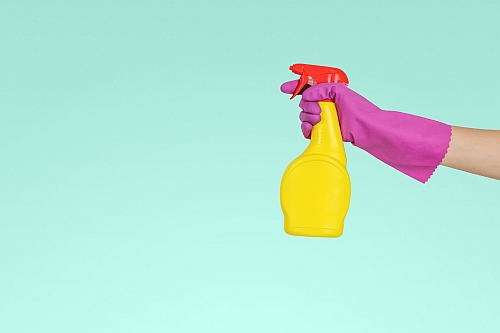
Years ago my mother introduced me to an extraordinary, out-of-print book on house cleaning, which has stuck in my mind ever since.
It was a thin, battered paperback from the early 1990s called Speed Cleaning, and it tells you how to clean a whole house in 42 minutes. Both of us were so impressed with its clarity and confidence that we resolved to learn its methods before it had to go back to the library.
Speed cleaning takes persistence to master, and I didn’t persist for long. But I did enough of it to experience its great revelation: cleaning, or any other challenging task, when done with a certain vigor and wholeheartedness, becomes strangely easier, even as you do more work in less time.
Another copy recently entered our lives, and I think I understand
better what creates this effect.
Read More
 I'm David, and Raptitude is a blog about getting better at being human -- things we can do to improve our lives today.
“Enjoyment always requires attention.” Love this! Such a fresh take on mindfulness. ❤️ I found your blog when Becoming Minimalist linked to it, and am really enjoying it, thank you!